


The prepositions ‘dans’ and ‘en’ both mean ‘in’. When should you use one or the other?
Prepositions in French can be quite a challenge, especially when Dutch has one word for which the French use two. Fortunately, there are rules for when to use ‘dans’ and when to use ‘en’.
Dans
‘Dans’ is used for a place, a moment in the future, for an indoor location, and for something that happened within a decade:
- Il y a des plantes vertes dans le salon. (There are green plants in the living room.) > place
- Il vient dans 3 jours. (He is coming in 3 days.) > future moment
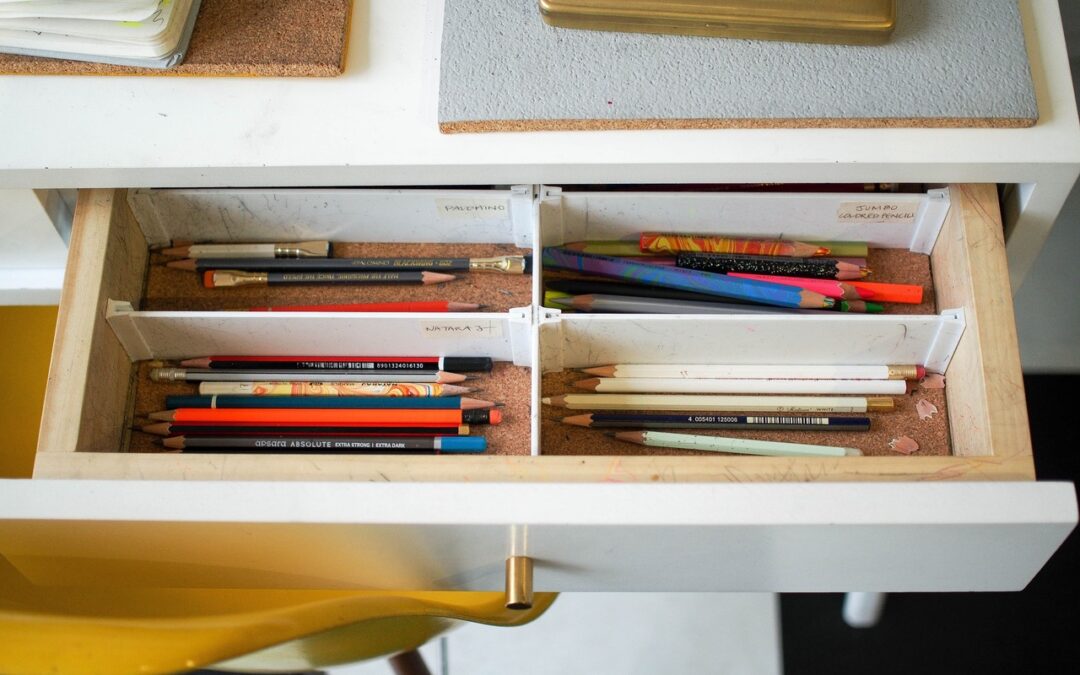
- Le crayon est dans le tiroir. (The pencil is in the drawer.) > a spot within a location
- Dans les années 80 les garçons avaient les cheveux longs. (In the 80s, boys had long hair.) > a decade designation
Masculine provinces and states take the word ‘dans’:
- J’habite dans le Maine. (I live in Maine.)
- Je vais dans l’Ontario. (I am going to Ontario.)
The same applies to regions, certain islands, and groups of islands in the plural:
- J’ai passé mes vacances dans les Caraïbes.
- Je vais dans les régions du Sud Ouest.
EN
‘En’ is used for a season, a duration of time, or material. Feminine countries or countries starting with a vowel also take ‘en’.
- En hiver (In winter) > season
- J’ai déjeuné en 10 minutes. (I had breakfast in 10 minutes.) > duration of time
- Cette bague est en or. (This ring is made of gold.) > material
- Il vit en France. (He lives in France.) > feminine country
- Ils sont en Autriche. (They are in Austria.) > a country starting with a vowel
Attention
‘En’ is also used with the gerund. This is used when two events occur simultaneously. You can read more about this in this article.
Please note: ‘en’ is also used when indicating a quantity. Want to know exactly how that works? Then read this article.


